
FEATURE ARTICLE
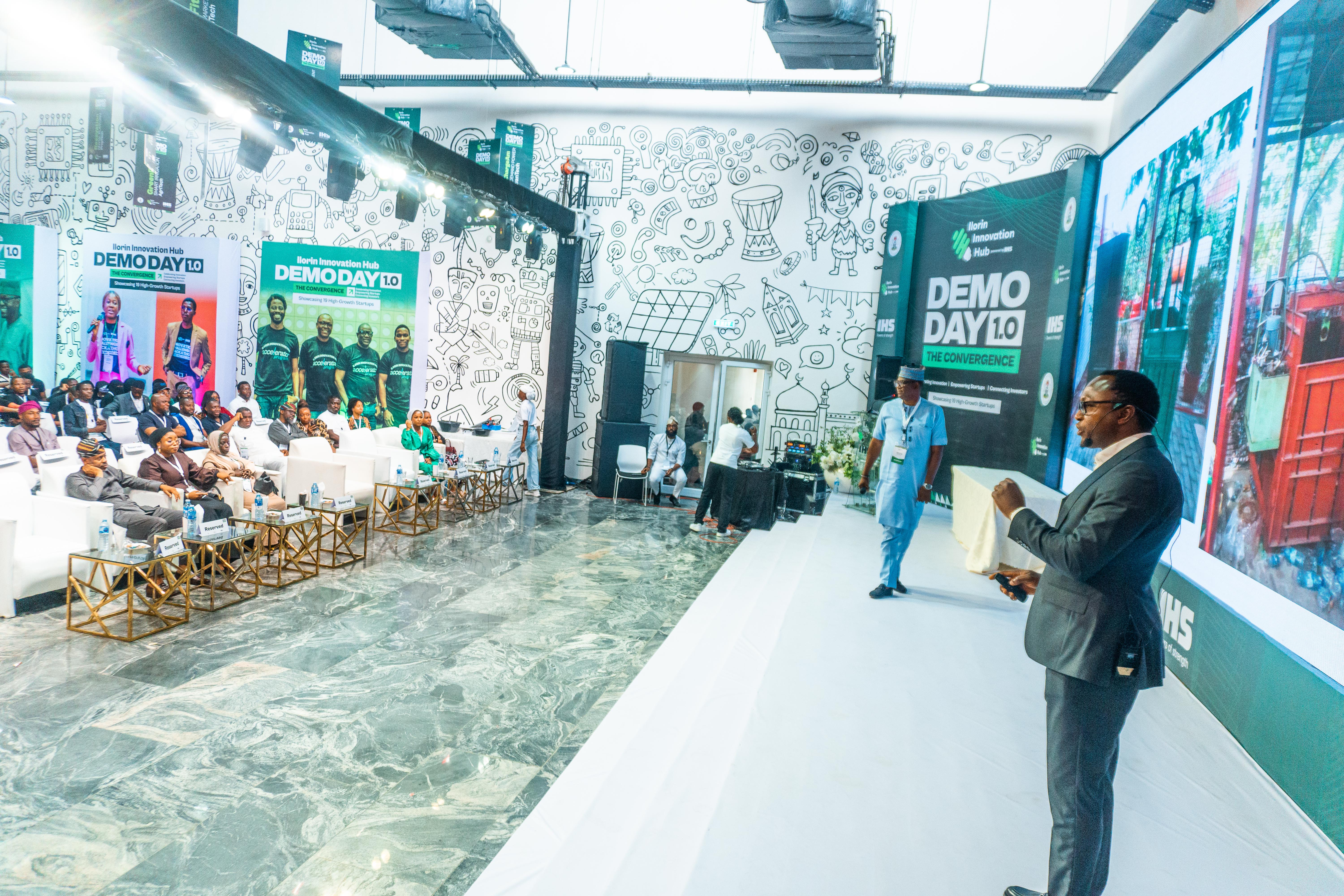
On April 17, 2026, 19 young companies gathered at the Ilorin Innovation Hub in Kwara State to present their businesses before investors, corporate executives, government representatives and potential partners.
Among the nine accelerator companies was SPCTA Industrial, a venture addressing a stubborn problem in Africa's circular economy: recyclable materials exist in large quantities, but the infrastructure needed to collect, sort, process and move them reliably to industry remains thin.
SPCTA is building the infrastructure intended to connect informal collectors and small recycling businesses with manufacturers and recyclers that need recovered material of the right quality, in predictable quantities, delivered consistently and at a workable cost.
A dependable supply network for materials that would otherwise be discarded.
What Ilorin Asked SPCTA to Prove
Manufacturers and recyclers need recovered materials of the right quality, in predictable quantities, delivered consistently and at a workable cost. Informal collectors and small recycling businesses often lack suitable equipment, aggregation centres, reliable buyers, operating capital and usable data.
SPCTA's model combines community-based Waste+Energy Banks, larger processing and aggregation facilities, digital traceability, logistics and relationships with industrial buyers. It is less a conventional recycling campaign than an attempt to construct a supply network.
SPCTA is building the physical systems between discarded materials and the factories that need them.
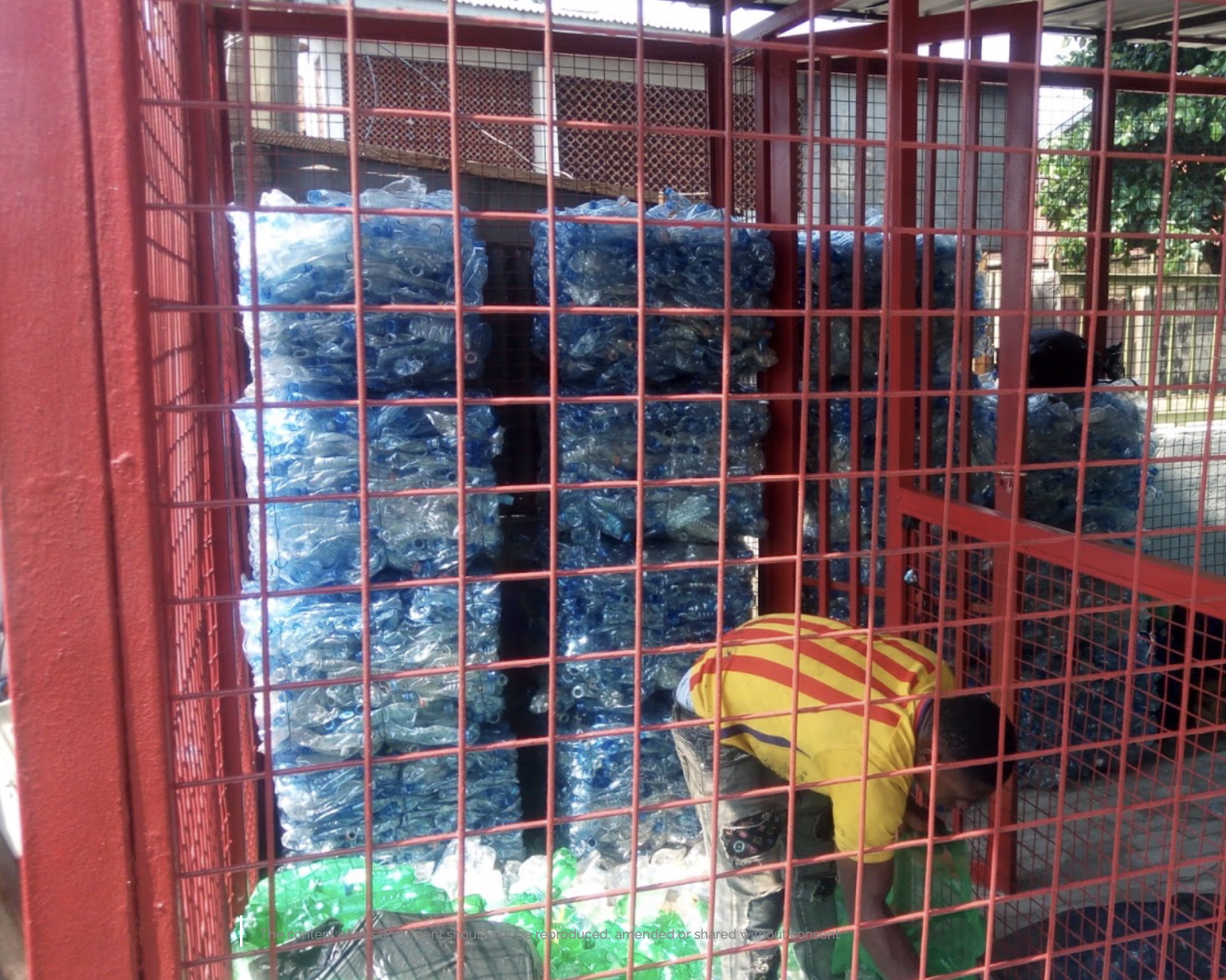
Deep technology companies must work under real operating conditions.
Building beyond software
The accelerator began with a call for applications in November 2025, built around a belief that Africa's industrial future could not be built through software alone. Its founders were working with hardware, engineering, artificial intelligence, connected devices and new commercial models.
A company installing energy equipment, processing waste or moving physical goods must contend with machinery, maintenance, land, electricity, transport, supply contracts, working capital and the behaviour of people throughout the chain.
SPCTA sat at the intersection of waste, infrastructure, logistics, industrial demand and the use of operating data to make a fragmented market more dependable.
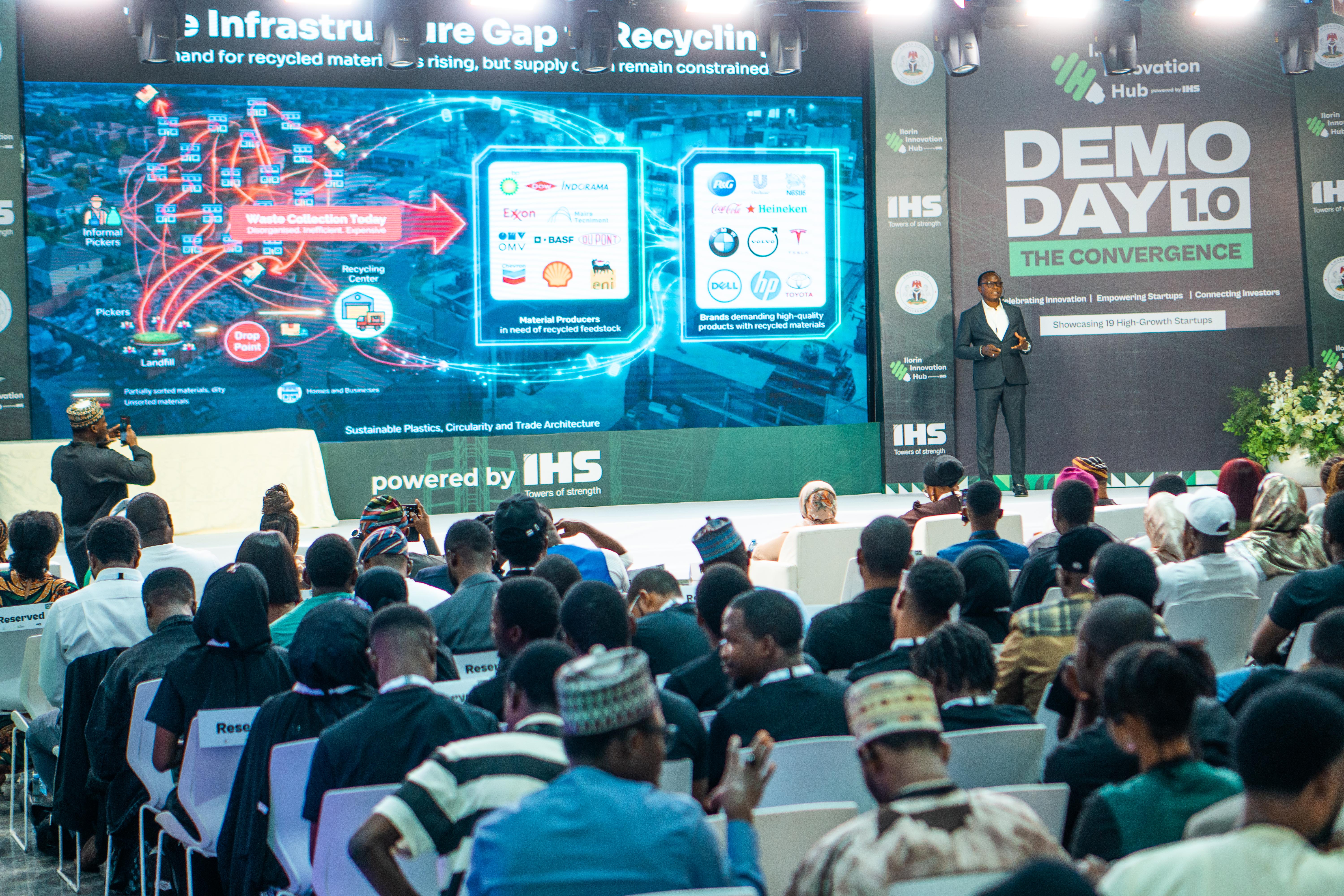
The accelerator tested how the model would work in the market.
From a promising model to a disciplined business
Over three months, SPCTA and the other founders were pressed to examine who would pay, what would be built first, how equipment would be maintained, how revenue would be earned, how margins would be protected and what evidence would persuade a customer or investor to commit.
The team emerged with sharper thinking, stronger feedback, new relationships and greater clarity about what would be required to scale. Its customer problem became more precise: enabling industrial companies to obtain recycled feedstock with sufficient quality, quantity, consistency and cost control.
Waste collection is often treated as an environmental or social activity. SPCTA is trying to make it part of a reliable industrial supply chain.
Waste collection is often treated as an environmental or social activity. SPCTA is trying to make it part of a reliable industrial supply chain.

SPCTA AT A GLANCE
Early execution, built into a larger infrastructure platform.
- Programme
- Ilorin Innovation Hub Accelerator, powered by IHS Nigeria.
- Launch weekend
- January 15-17, 2026 at Ilorin Innovation Hub, Kwara State.
- Demo Day
- April 17, 2026, with 19 ventures showcased.
- Partners
- Kwara State Government, IHS Nigeria, Ilorin Innovation Hub, Future Africa, Accelerate Africa and Co-creation Hub.
Next stage: prove the operating model one facility, one material stream and one customer relationship at a time.

The work that matters starts after Demo Day.
The applause is over
A Demo Day can create visibility. It cannot prove that a company can operate at scale. SPCTA must show that its Waste+Energy Banks can collect and process dependable volumes, that material quality can meet industrial standards, that equipment can remain operational and that each site can eventually support itself financially.
The company also needs credible traceability, so companies buying recycled materials can understand where those materials came from, how they were processed and what environmental results were achieved.
SPCTA is working on an unfashionable but consequential part of the circular economy: the physical systems between discarded materials and the factories that need them. Ilorin gave the company a stage, mentors and a sharper argument. What matters now is whether it can turn that argument into infrastructure that moves materials every day.

What matters now is whether SPCTA can turn that argument into infrastructure that moves materials every day.
WHERE SPCTA GOES NEXT
Building the recovery layer takes aligned partners.
Investors and strategic partners
Help finance and deploy recovery sites, processing capacity and the systems that make material supply more dependable.
Start a conversationIndustry, government and development organisations
Explore stronger circular-material systems that create operational value, local enterprise and more resilient infrastructure.
Explore collaborationLeaders working on the next hard problem
HYBR helps teams turn a real system constraint into a venture and an operating model that can grow.
Work with HYBRWRITER PROFILE
 Feature desk, HYBR InsightsSharing venture-building stories, systems insights and field-tested lessons from the work behind HYBR Labs.
MORE NEWS
Enjoyed this update? Check out more insights like this.
Discover insights built to replace guesswork with clearer thinking and smarter innovation. NEWSA Bottle, A Broken Supply Chain, and the Venture Built to Fix ItSPCTA steps into public view with a platform for waste recovery and circular supply chains.NEWSA Bottle, A Broken Supply Chain, and the Venture Built to Fix ItSPCTA steps into public view with a platform for waste recovery and circular supply chains.